When it comes to securing bicycles, choosing the right cycle lockers is essential. Renowned industry expert James O'Reilly states, “A reliable cycle locker can mean the difference between peace of mind and constant worry.” This highlights the importance of making an informed choice.
Cycle lockers come in various sizes and materials. Finding the best fit for your needs requires consideration of your environment and usage patterns. For instance, urban areas may demand more robust locking mechanisms due to higher theft rates.
However, even the best cycle lockers can have flaws. Some may not offer adequate space for larger bikes, while others might be too heavy to move easily. Reflecting on these factors will help you choose a cycle locker that truly meets your needs. Proper research and understanding of your personal requirements are crucial for a satisfactory purchase.
Factors to Consider When Choosing Cycle Lockers
Choosing the right cycle locker involves careful consideration of various factors. First, assess the location where lockers will be installed. Security is critical. According to a recent report by the National Bike Registry, nearly 1.5 million bicycles are stolen in the U.S. each year. Thus, a well-located locker enhances safety and convenience for cyclists.
Material quality is another key factor. Most cycle lockers are made from steel or high-density plastic. Steel offers durability and resistance to weather conditions. However, it can be heavier and more expensive. Plastic, while lighter, may not withstand harsh environments as well. Check for respected industry certifications to ensure reliability and durability.
Size is also important. Some users prefer space for more than one bicycle, while others may only need a single space. A study by Cycling Industries Europe indicates that more spacious lockers see higher usage rates, suggesting that accommodating diverse needs can boost satisfaction. It’s beneficial to reflect on user feedback and operational needs when selecting the best solution.
Types of Cycle Lockers and Their Features
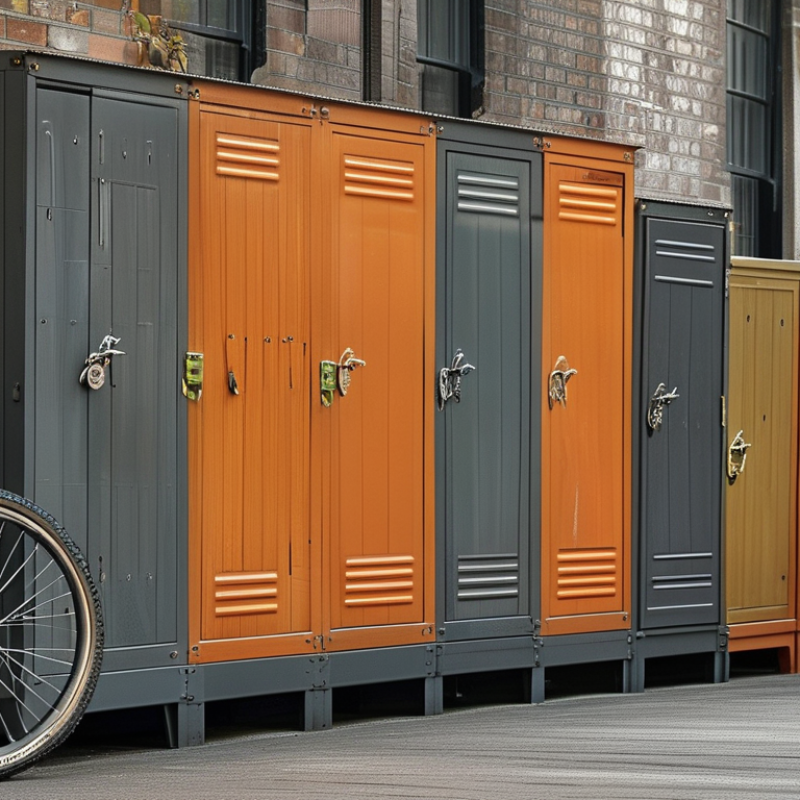
When selecting cycle lockers, understanding the types available is crucial. There are open and closed lockers. Open lockers provide quick access but offer less security. Closed lockers protect bikes better but might require more time to access. Consider your environment and security needs.
Another factor is size. Some lockers are designed for single bicycles, while others can store multiple bikes. If space is an issue, compact models might be preferable. Look for adjustable features that can accommodate different bike styles. Additionally, consider materials that provide durability against weather and potential theft.
Some lockers include heating or ventilation, a valuable feature in extreme climates. These added functionalities can prevent moisture buildup and keep your bike in good condition. However, such features may increase costs. Weigh these aspects against your budget and usage frequency. Reflect on what matters most to you—security, size, or added features—and choose wisely.
Cycle Lockers Comparison: Types and Features
Security Levels in Cycle Lockers: What to Look For
When choosing cycle lockers, security is paramount. A recent industry report noted that over 50% of bike thefts occur in urban areas, highlighting the importance of robust locking mechanisms. Look for lockers with hardened steel and high-quality locking systems. Locks should resist tampering and be weatherproof to withstand the elements.
Consider the security level that best suits your needs. For example, a level 1 security lock might deter casual thieves but not serious criminals. In contrast, a level 3 lock often employs reinforced materials, which can add an extra layer of protection. It’s essential to understand your environment. Areas with higher theft rates demand more secure options.
Tip: Always check for certification marks on locks. These signify compliance with industry standards for theft resistance.
An ongoing debate in the cycling community revolves around the practicality of certain locks. While top-tier locks offer premium security, they can be bulky and inconvenient. Balancing security and usability is crucial for long-term satisfaction.
Tip: Opt for a versatile lock that fits in a backpack easily, ensuring you always have it when needed.
Investing in quality cycle lockers pays off, but regular evaluations of your locker’s effectiveness are necessary. Technology and theft techniques evolve, and so should your security approach.
Location and Space Requirements for Cycle Lockers
When choosing cycle lockers, location and space are critical factors. You need to identify a site that is easily accessible. Look for areas close to busy paths or public transport. This will encourage more cyclists, increasing the utility of the lockers. If the lockers are hidden away, they may not serve their purpose well.
Space requirements also matter greatly. Consider the dimensions of the lockers. Make sure they fit the location available without overcrowding. A cramped space can deter users from accessing the lockers. Flexibility in locker sizes could help cater to diverse bike types.
Parking surface is often overlooked. A solid surface keeps bikes secure and prevents theft. Check if you need to install additional lighting for safety. This attention to detail can enhance user experience. Also, assess the need for protection against weather. Will your needs change over time? Make space for future growth.
Budgeting for Cycle Lockers: Costs and Value Considerations
When budgeting for cycle lockers, you should consider both costs and value. The upfront cost might be tempting but don't forget about long-term benefits. High-quality lockers can deter theft and weather damage. Look for options that balance your budget with security features.
Tips: Research local market prices. Understanding what competitors offer helps you gauge appropriate pricing. Also, consider maintenance costs. Some lockers require more upkeep than others.
Evaluate your needs carefully. If you don’t often use your bike, a less expensive option may suffice. If you bike daily, invest in a robust locker. Think about the initial savings versus potential losses from theft or damage. Balancing your budget with these factors is crucial for making a smart choice.
Tips: Take inventory of your cycling habits. Assess how often and where you need a locker. A clear understanding of your usage will lead to better decisions. Reflecting on your unique requirements will enhance your commitment to safety and value.
FAQS
: There are open and closed lockers. Open lockers provide quick access, while closed lockers offer better security.
Size varies; some store a single bike, others hold multiple. Compact models suit limited spaces.
Features like heating or ventilation prevent moisture. They can increase costs but may enhance bike condition.
Look for hardened steel and high-quality locks. Higher security levels deter serious thieves effectively.
Check for certification marks. They signal compliance with industry theft resistance standards.
Balance upfront costs with long-term benefits. Higher quality lockers deter theft and weather damage.
Assess how often and where you need a locker. This understanding guides better decisions.
Not necessarily. Some top-tier locks are bulky. Usability is also important for long-term satisfaction.
Technology and theft techniques evolve. Regular evaluations help maintain effective security measures.
Some lockers need frequent upkeep. Factor these costs into your budget to ensure long-term value.
Conclusion
When choosing the best cycle lockers for your needs, several key factors must be considered. First, understanding the types of cycle lockers and their features can help you determine which style suits your requirements, whether it be single units or larger systems. Security levels in cycle lockers are also paramount; opt for locks and materials that offer higher resistance to theft. Additionally, the location and space available for installation are vital, as they dictate how many lockers can be accommodated and how accessible they will be for users.
Budgeting plays a significant role in the decision-making process as well. Consider the costs associated with different cycle lockers along with their long-term value. Investing in quality lockers may mean higher initial expenses but can save money in the long run through durability and reduced repair needs. By evaluating these aspects, you can ensure that the cycle lockers chosen effectively meet your cycling and storage needs.

 KAVASS