Choosing the right auto bollards can be a daunting task. With various styles and functionalities available, it’s essential to understand what fits your needs best. Auto bollards serve as both security measures and as guides for vehicle traffic. They help to control access and ensure pedestrian safety.
When considering auto bollards, first think about your primary goal. Are you protecting a building, directing traffic, or enhancing aesthetics? Each purpose may lead you to a different type of bollard, whether fixed, removable, or automatic. The material, height, and durability also play critical roles in this decision-making process.
Ultimately, this choice is subjective and can feel overwhelming. Reflecting on your specific situation can reveal necessary insights. Be mindful that the wrong choice might lead to inefficiencies or safety concerns. Taking the time to evaluate your options ensures effective solutions tailored to your unique environment.
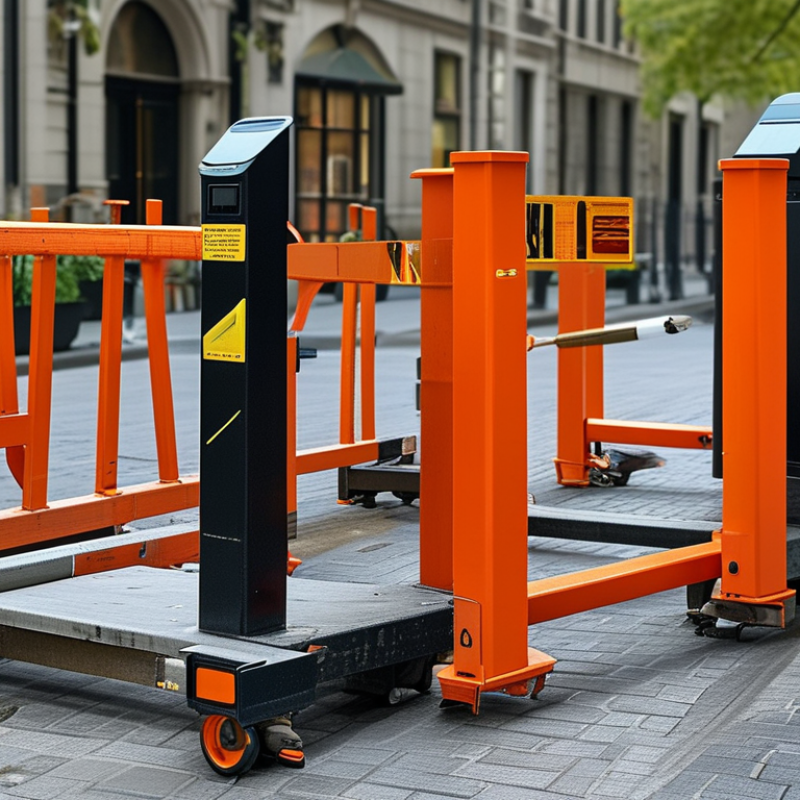
Auto bollards play a crucial role in enhancing security and safety in various environments. They are often utilized in public spaces, parking lots, and building entrances. Their primary purpose is to prevent unauthorized vehicle access while allowing pedestrian movement. This combination makes them a popular choice for urban planners and security officials focused on public safety.
When selecting auto bollards, understanding their intended use is vital. Some bollards are designed to be removable, catering to areas needing flexible access. Others are fixed, providing robust security. The material and design also influence their effectiveness. For example, concrete bollards offer high durability, while aesthetic options can enhance a site’s visual appeal. Reflect on your environment and the specific level of security needed.
Installation is another consideration. Proper placement significantly affects their performance. It’s important to assess traffic patterns and pedestrian flow. Some installations may even require adjustments over time as usage changes. Regular maintenance should not be overlooked; wear and damage can compromise functionality. By making informed decisions and reflecting on these aspects, choosing the right auto bollard becomes less daunting.
| Type of Auto Bollard | Material | Purpose | Height | Weight | Cost (Approx.) |
|---|---|---|---|---|---|
| Fixed Bollard | Steel | Permanent Protection | 1 meter | 30 kg | $150 |
| Retractable Bollard | Stainless Steel | Controlled Access | 1.2 meters | 40 kg | $400 |
| Automatic Bollard | Aluminum | Rapid Deployment | 1.5 meters | 25 kg | $600 |
| Removable Bollard | Concrete | Temporary Barriers | 1 meter | 35 kg | $100 |
When considering auto bollards, understanding their types is crucial. Fixed, removable, and automatic bollards each serve specific purposes. Fixed bollards provide permanent security, ideal for locations needing consistent access control. They resist vehicular impact, enhancing safety in high-traffic areas. According to a recent industry report, fixed bollards can reduce unauthorized access incidents by up to 80%.
Removable bollards offer flexibility. They are ideal for changing needs, such as events or seasonal adjustments. These can be quickly installed or removed, allowing for temporary access or closures. A study indicated that establishments using removable bollards can make quick adjustments, preserving both accessibility and security.
Automatic bollards combine convenience with security. They are operated with a control system, allowing authorized vehicles quick passage. They are particularly effective in urban settings where space is limited. However, maintenance can be an issue, as electronic elements may fail. Consider cost versus benefit in your decision.
Tip: Assess the traffic patterns and security requirements of your location. This will guide the selection process. Also, review local regulations on bollard installation, ensuring compliance and safety.
Choosing the right auto bollards for your property involves several critical factors. Understanding the purpose of the bollards is vital. Are they intended to prevent unauthorized access, guide traffic, or protect pedestrians? The primary goal will dictate the design and security features required. A recent industry report revealed that more than 70% of property owners prioritize security when selecting bollards.
Material is another key consideration.
Steel is known for its strength and durability. However, concrete can offer stability at lower costs. Lightweight materials like plastic may serve temporary needs but can fail under pressure. Data shows that over 50% of bollards suffer damage within their first five years due to improper material choices. It highlights the need for thorough evaluations.
Height and visibility also matter. Appropriate visibility ensures that drivers and pedestrians are aware of the barriers. A study indicated that bollards that are brightly colored with reflective elements reduce accidents by up to 40%. This suggests that aesthetic choices should not be overlooked. Property owners often underestimate how these factors contribute to overall safety and functionality.
When selecting auto bollards, materials and durability are crucial factors. A survey by the National Institute of Standards and Technology shows that bollards made from stainless steel exhibit superior resistance to wear and corrosion. Their lifespan can exceed 25 years with proper maintenance. This durability is essential for locations facing harsh weather or heavy traffic.
Another point worth mentioning is the choice between concrete and plastic bollards. Concrete offers excellent strength but can be less energy-absorbent compared to other materials. According to the International Association of Traffic Engineers, concrete bollards can reduce vehicle impact but may require more frequent replacement due to chipping. On the other hand, high-quality plastic bollards provide flexibility. They are lightweight and easier to install but must be selected carefully to ensure they meet safety standards.
The environment where the bollards will be positioned should also influence material choice. For instance, urban areas often deal with frequent vandalism. In these cases, selecting high-impact materials can be beneficial. However, it's essential to weigh the costs against benefits. Quality often comes with a price, and a poor choice can lead to repeated expenses. Understanding specific site requirements may lead to better decision-making.
When it comes to auto bollards, proper installation and maintenance are crucial for ensuring their effectiveness. Ensure that the installation site is well-prepared. The surface must be level and free of debris. Improper installation may lead to structural issues and reduce the bollard's lifespan. Concrete foundations typically offer stability. Always check for any underground utilities before digging. This can avoid unnecessary hazards and costly mistakes.
Routine maintenance is essential for optimal performance. Regularly inspect bollards for signs of wear or damage. Look out for rust, dents, and loose fittings. Cleaning them periodically helps prevent corrosion. A mixture of soap and water is often sufficient. In colder climates, ice and snow can create additional challenges. Consider using a protective cover to shield them from harsh weather.
Sometimes, the choice of bollard type can also play a role in maintenance frequency. Fixed bollards require less upkeep than retractable options. Evaluate your specific needs and environment to choose wisely. Reflection on past experiences can lead to better decision-making. Understanding common pitfalls helps in creating a more effective plan for installation and maintenance.
: Consider their purpose, materials, height, and visibility for effective safety and functionality.
The purpose determines the design and security features needed for the bollards.
Common materials include steel, concrete, and plastic, each with different strengths and weaknesses.
Poor material choice can lead to damage. Over 50% of bollards suffer issues within five years.
Proper height and visibility ensure that people recognize the bollards, enhancing safety for both drivers and pedestrians.
Yes, brightly colored and reflective bollards can reduce accidents by up to 40%.
Locations with high vandalism may require high-impact materials, balancing cost and durability.
With proper maintenance, stainless steel bollards can last over 25 years.
Plastic bollards are lightweight and easier to install but should meet safety standards.
Quality options may be more expensive upfront but can reduce repeated maintenance expenses.
When considering the implementation of Auto Bollards for security and safety, it is essential to understand their primary purpose. These structures play a critical role in controlling vehicular access and protecting pedestrian areas. There are several types of Auto Bollards available, including fixed, removable, and automatic options, each designed to cater to specific needs and environments.
When selecting Auto Bollards for your property, several factors must be evaluated, such as intended use, location, and the volume of traffic. Additionally, materials and durability are crucial in ensuring that the bollards withstand environmental stress while maintaining their functionality. Proper installation and maintenance are also vital for optimal performance, ensuring that Auto Bollards serve their intended purpose effectively for years to come.

KAVASS