Choosing the right bicycle lockers can be a daunting task. With numerous options available, finding the perfect fit for your needs requires careful consideration. Expert Jane Lockhart, a renowned security consultant, advises, "Investing in quality bicycle lockers protects not only your bike but also your peace of mind."
When selecting bicycle lockers, consider factors like size, material, and security features. The right locker should fit your bike comfortably while being durable enough to withstand the elements. Look for features such as reinforced locks and weather-resistant materials to enhance security.
Yet, even the best lockers have limitations. Some users may find them heavy or cumbersome to use daily. It’s essential to balance convenience with security. Explore various styles to discover which design eases your daily routine. Your investment in bicycle lockers can lead to safer, more enjoyable rides.
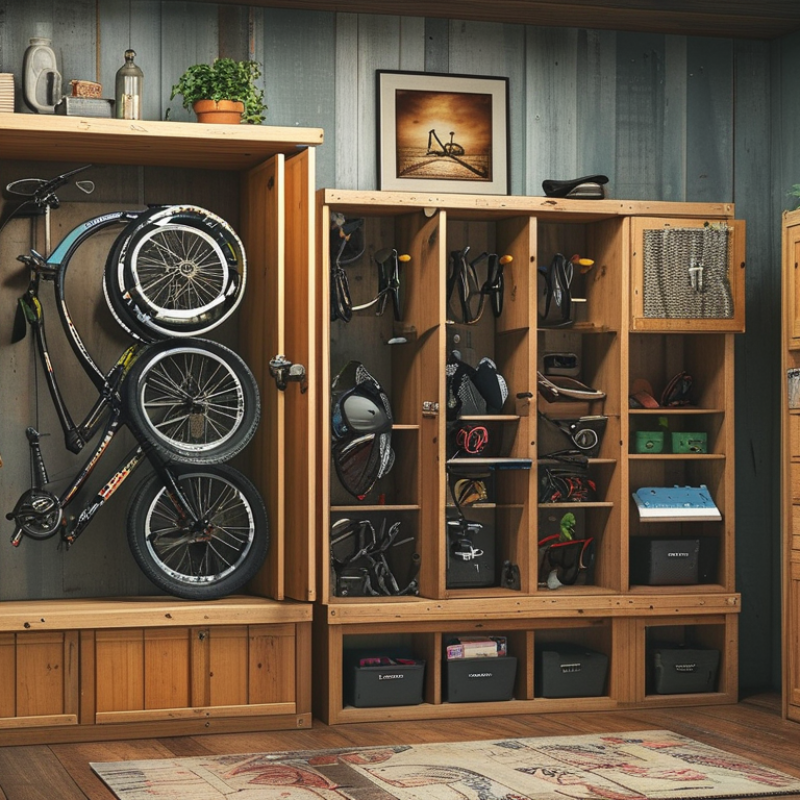
Choosing the right bicycle lockers for your needs requires careful consideration of your location and environment. Urban areas often face higher theft rates. If you live in a city, sturdy lockers made from weather-resistant materials are essential. Look for options with anti-theft features.
When evaluating your environment, think about accessibility. Lockers should be easy to reach while offering security. Install proximity lighting if possible. Poorly lit areas can deter cyclists. If lockers are placed near employee entrances or busy bike paths, they may receive more attention and use.
Tips: Always check for ventilation in lockers. This helps prevent rust and odors. Make sure there is enough space for larger bikes. Measure your bike before choosing a locker size. In addition, keep in mind seasonal changes in weather. Snow and rain can affect locker durability and function, so select a design that withstands harsh conditions.
When selecting bicycle lockers, it’s crucial to assess the types available. There are primarily three types: ground-mounted, wall-mounted, and fully enclosed lockers. Each type offers unique benefits. Ground-mounted lockers are ideal for high-traffic areas, providing a stable base for multiple bicycles. According to a study by the International Bicycle Fund, ground-mounted units can accommodate 10-12 bikes without compromising security.
Wall-mounted lockers are perfect for spaces with limited room. They are compact and can hold one or two bicycles. These lockers can be installed in various locations, like parks or building entrances. However, they often provide less security than their larger counterparts. A report from the Bicycle Parking Coalition found that while wall-mounted units are space-efficient, they may require additional security measures, like high-quality locks.
Fully enclosed lockers offer superior security features. They can protect bicycles from theft and harsh weather conditions. However, they tend to be pricier and may not fit every budget. Choices often depend on individual needs and location. A survey by the National Association of City Transportation Officials (NACTO) indicates that individuals prioritize security and accessibility when choosing bicycle storage solutions. Reflecting on these findings can help users make informed decisions tailored to their specific situation while keeping their bicycles safe.
When selecting bicycle lockers, security features and locking mechanisms are paramount. Consider the type of lock used. U-locks provide solid security but may limit the locker’s inner space. Chain locks offer more flexibility but can be easier to cut. Investigate whether the locker has integrated locking systems. Such systems often provide a higher level of security and convenience.
Furthermore, think about the material of the locker. Metal lockers are more durable and resistant to tampering. Plastic lockers, while lightweight, may not provide the same level of security. Ensure that the locker design allows for easy access while maintaining strong security. Look for feedback from other users to gauge the reliability of specific locking mechanisms. User reviews can reveal long-term performance.
It’s also wise to consider how easy it is to maintain the locker. A complex locking mechanism can lead to frustration if it jams frequently. Observe if any issues arise during early use. This is vital for a hassle-free experience. Remember, even the most secure locks aren’t infallible. Being cautious in your choice is key.
Choosing the right bicycle locker primarily starts with understanding your size and capacity needs. Evaluate your typical riding habits. Think about how many bikes or gear you may need to store at one time. A small locker may suffice for solo riders. However, families or bike-sharing programs likely require larger options.
Consider the dimensions of your bikes. Some mountain bikes are bulkier than standard road bikes. Also, include space for accessories like helmets and locks. It’s essential to choose a locker that comfortably accommodates everything. If you underestimate size, you might end up with a cramped space, making access difficult.
Reflect on your location and its demands. Urban areas may need more lockers to handle the bike traffic. It’s wise to consider potential growth in bike use over time. Opting for a versatile locker can be a proactive approach. If capacities surpass expectations, re-evaluating your choice later can be inconvenient.
| Locker Type | Dimensions (L x W x H) | Capacity (Bicycles) | Material | Locking Mechanism |
|---|---|---|---|---|
| Wall-Mounted | 4' x 2' x 5' | 1 | Steel | Padlock |
| Compact Locker | 3' x 2' x 5' | 1 | Fiberglass | Combination Lock |
| Double Bike Locker | 6' x 3' x 5' | 2 | Aluminum | Keyed Lock |
| Vertical Locker | 2' x 2' x 6' | 1 | Steel | Digital Lock |
| Outdoor Bike Storage | 8' x 5' x 6' | 4 | Plastic Composite | Chain Lock |
When considering bicycle lockers, budget is a crucial factor. Costs can vary widely based on size, material, and features. A basic metal locker may cost less than $200. Higher-end options, with advanced security features, can exceed $500. Evaluate what fits your budget and needs best.
Tips: Determine how often you plan to use the locker. If you ride daily, invest more in a durable model. Consider maintenance costs too. Some materials rust and require upkeep. Look for warranties as well; they indicate product reliability.
Reflect on potential hidden costs. Installation fees can add to the overall price. Check if your chosen location charges extra for placement. Always read reviews for customer experiences with durability and effectiveness. Smart spending on lockers can decrease overall replacement costs, making it a wise decision over time.
: Focus on your location and environment. Urban areas may need sturdier lockers due to theft risk.
Weather-resistant materials prevent rust and damage. They ensure lockers last longer in harsh conditions.
Look for lockers with anti-theft features. Place them in well-lit, accessible areas to deter theft.
Ensure there are vents to prevent rust and odors. Proper airflow is crucial for locker longevity.
Measure your bike before choosing. Ensure the locker has enough space for your specific model.
Prices vary based on size and features. Basic lockers can start below $200, while high-end models may exceed $500.
Yes, consider installation fees and potential charges for placement at your desired location.
Some materials require upkeep due to rust. Choose durable options to minimize long-term maintenance.
If you ride daily, investing in a durable model is wise. A better locker can save money over time.
Reviews provide insights into durability and effectiveness. They can guide smart purchasing decisions.
When choosing the best bicycle lockers for your needs, it's essential to consider several key factors. First, evaluate your location and environment to determine the ideal type of locker that will offer protection against weather conditions and potential theft. Different types, such as stand-alone lockers or wall-mounted options, provide varying levels of security and convenience, so assess which option fits best in your space.
Next, focus on the security features and locking mechanisms, as this will greatly impact the safety of your bicycle. Ensure that the lockers provide durable materials and reliable locks. Additionally, determine your size and capacity requirements to accommodate your bicycles comfortably. Lastly, keep your budget in mind, comparing costs against the features offered to make a well-informed choice. By taking these factors into account, you can find bicycle lockers that perfectly match your requirements and provide peace of mind for storing your bike.
KAVASS