Choosing the right automatic bollard is crucial for various applications. With increasing concerns about security and vehicle access control, the importance of selecting the best solutions cannot be overstated. Automatic bollards serve multiple purposes. They enhance safety, protect pedestrians, and manage traffic effectively.
However, the market is flooded with options. Not all automatic bollard solutions are created equal. Some may look appealing but lack durability. Others might fit your budget but fail to provide adequate security. Therefore, it’s essential to dive deeper into the features, materials, and functionalities of different bollards before making a decision.
Consider the installation process and maintenance requirements as well. A reliable solution should not only be functional but also cost-effective over time. Reflecting on past experiences can help avoid common pitfalls. Each choice carries potential risks and benefits, so thorough research is vital. The right automatic bollard can make a significant difference in overall safety and efficiency.
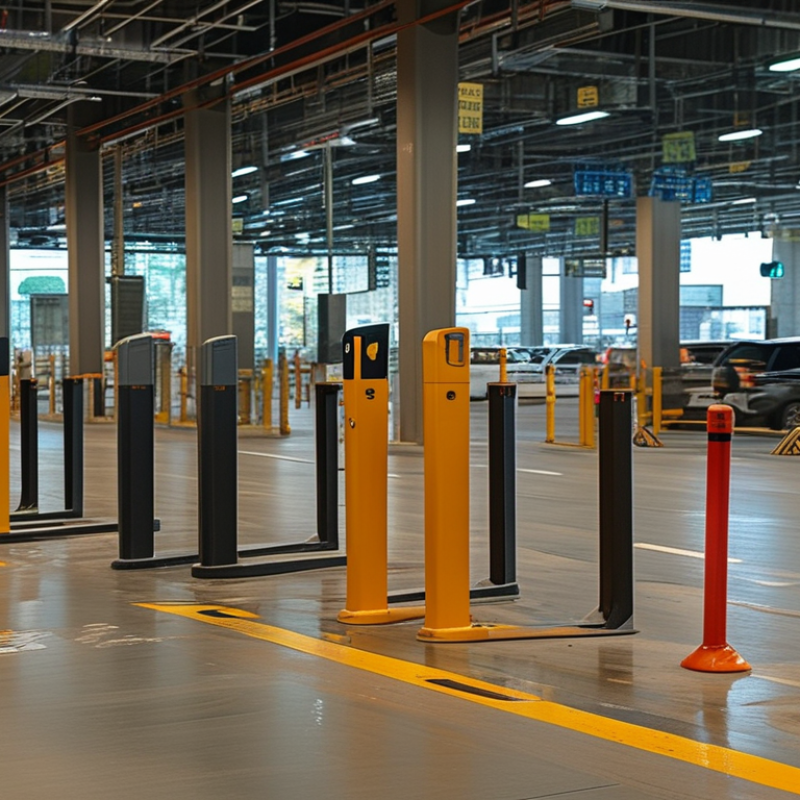
Automatic bollards serve an essential purpose in modern urban environments. They provide security and traffic control while maintaining pedestrian access. When properly utilized, they enhance safety and allow for efficient vehicle management. Many city planners recognize the benefits of these systems in regulating traffic flow and protecting public spaces.
Selecting the right automatic bollard can seem challenging. Consider the specific needs of the area where it will be installed. Factors like vehicle size, frequency of access, and security requirements play critical roles. Not all bollards are created equal; some are designed for high-security zones, while others suit low-traffic areas. A thorough understanding of the site can help in making informed decisions.
Additionally, regular maintenance is crucial for optimal performance. Over time, mechanical components can wear down, hindering functionality. Regular inspections can help identify potential issues before they escalate. Striking a balance between aesthetic appeal and practical use can lead to better outcomes. Urban design should prioritize both safety and accessibility.
When selecting automatic bollard solutions, several key factors should guide your decision. First, consider the environment where the bollards will be installed. Urban areas may need higher durability due to heavy traffic. In contrast, residential settings might prioritize aesthetics alongside functionality. Think about the expected usage frequency. Will they remain in position most of the time, or will they need to retract frequently? This distinction affects the type of technology used.
Another important aspect is the safety features integrated into the bollards. Look for options that include anti-tampering mechanisms or sensors to prevent accidents. Accessibility is essential, too. Ensure that the automatic bollards provide seamless operations for pedestrians and vehicles alike, enhancing the flow of traffic without compromising security. Reflect on the maintenance requirements; some bollard systems may demand more attention than others, which could influence your long-term costs.
Don’t overlook the aesthetic appeal of the bollards. Their design should align with the surrounding architecture. Continuity in style can enhance the overall visual appeal of an area. Balancing form and function is complex. You want reliable safety without sacrificing design integrity. Keeping these factors in mind can lead to a more informed decision, ultimately benefiting both security and the site's appearance.
Selecting the right automatic bollard solutions requires a careful examination of material durability and performance standards. When evaluating materials, consider factors such as resistance to impacts and weather conditions. Steel and concrete are often seen as strong choices due to their durability. However, newer materials like polymer composites might offer lightweight and corrosion-resistant benefits that cannot be overlooked.
Bollard performance is another critical area to explore. Look into specifications that show their resistance to vehicular impacts. Testing standards can give you a clearer picture of durability. Understanding the test ratings will help in evaluating how well a bollard can withstand pressure. Many products may look robust but might fail in tests. Investing time in research pays off in the long run.
When comparing different options, visualize the setup you envision. Will the bollards need to blend with existing structures? Think about aesthetic appeal and functionality together. It’s easy to find a solution that meets one criterion, but failing to address both can lead to issues later. A product that looks good but lacks durability could require early replacement. Ultimately, the choice should reflect a balance between resilience and design.
When considering automatic bollard solutions, evaluating the type of automation technology is crucial. Hydraulic and electric systems each have unique advantages. Hydraulic systems typically provide robust performance under heavy loads and adverse conditions. They can be slower but are generally more durable. On the other hand, electric systems are easier to install and require less maintenance. They tend to be quicker and more efficient in typical scenarios.
Choosing between these technologies comes down to your specific needs. Think about installation sites and frequency of use. Hydraulic systems might suit high-traffic areas. Their strength is a major benefit. Electric systems could be ideal for residential areas where functionality is essential. Reflecting on long-term use and costs is necessary too.
When deciding on an automatic bollard system, do not forget about safety features. Both systems offer different safety mechanisms. For example, hydraulic systems may have built-in emergency release features. Meanwhile, electric systems often include sensors to prevent accidents. Evaluate these features carefully, as they could impact the overall effectiveness of the bollard system. Always prioritize reliability and efficiency based on your unique environment and needs.
This chart compares the effectiveness, installation cost, maintenance, response time, and durability of hydraulic versus electric automatic bollard systems.
When considering automatic bollards, understanding the costs is critical. Installation expenses can vary widely. According to the International Physical Security Conference, costs can range from $2,000 to $10,000 per unit. This depends on the complexity of installation and the specific technology used. If you need heavy-duty bollards for high-traffic areas, expect higher costs.
Maintenance is another significant factor. Routine checks and potential repairs can add up. A study by the Security Industry Association noted that operating and maintenance costs can represent about 10-20% of initial investment annually. For instance, maintaining hydraulic bollards may involve yearly check-ups, which could cost between $300 to $600.
Budgeting wisely includes knowing these ongoing expenses. Investing in quality can prevent issues down the line. However, cost-cutting might lead to compromised safety or frequent replacements. Planning for unexpected costs is vital. Real-world reflections reveal that organizations often underestimate long-term expenses, resulting in financial strain. Always have an informed understanding of what bollard systems demand over time.
: They enhance security, control traffic, and maintain pedestrian access in urban areas.
Assess the area's needs, including vehicle size and security requirements. Each bollard suits different environments.
Regular maintenance ensures they function correctly. Mechanical wear can hinder performance over time.
Installation costs can range from $2,000 to $10,000, depending on complexity and technology used.
Annual maintenance costs can be about 10-20% of the initial investment, adding up over time.
While they save upfront costs, cheaper options may lead to safety issues and frequent replacements.
Installation complexity, technology, maintenance, and unexpected repairs can significantly impact overall costs.
Yes, many organizations overlook long-term expenses, leading to financial strain.
It should prioritize both safety and accessibility while being aesthetically appealing.
Routine checks are essential; ideally, perform inspections regularly to detect issues early.
The article "Top 5 Tips for Choosing the Best Automatic Bollard Solutions" emphasizes the essential factors to consider when selecting automatic bollards for security and access control. It begins by outlining the purpose and benefits of automatic bollards, highlighting their role in enhancing safety while allowing controlled vehicle access. Key factors such as location, usage frequency, and design integration are discussed to ensure the chosen solution meets specific needs.
The comparison of materials for durability and performance underlines the importance of selecting bollards that withstand environmental factors and potential impacts. Furthermore, the article evaluates automation technologies, contrasting hydraulic and electric systems for efficiency and reliability. Finally, a cost analysis section helps readers budget for the installation and ongoing maintenance of automatic bollards, ensuring they make an informed investment in their safety infrastructure.

KAVASS